Why standard silicone ruins premium stone installations


Every material in a high-end kitchen is chosen with intention. The stone is sourced, the edge profile is specified, the finish is debated. Architects spend months on selections. Fabricators work to tolerances measured in fractions of a millimetre.

Then comes the last step — the 5–8mm line that holds it all together — and someone reaches for whatever was closest on the shelf.

A standard tube of silicone. Off-white, maybe grey. Close enough. It is never close enough.

The problem nobody talks about

Walk into any premium kitchen showroom and look at the transitions. Where the worktop meets the backsplash. Where stone meets wall. Where two slabs are joined at a mitre.

In almost every case, the silicone is the weakest visual element in the room. Not because it has failed structurally — it seals perfectly well. But because it introduces a colour and texture that has nothing to do with the material it sits between.

A Calacatta marble with warm ivory veining gets sealed with a cool-toned white. A dark Nero Marquina gets a 'dark grey' that catches the light differently from the stone. A travertine with depth and movement gets a flat, lifeless beige line running through it.

The eye catches it instantly. Not consciously, perhaps — but something feels off. The room doesn’t quite hold together. The stone stops being a surface and starts being a collection of pieces with visible borders.

This is what standard silicone does. It announces itself. And in doing so, it undermines everything that came before it.

Why “close enough” is never close enough

The sealant industry operates on a simple model: manufacture a range of twenty to thirty standard colours, assign them RAL codes, and let the installer pick the nearest match.

This approach works for window frames and bathroom tiles where tolerances are generous and surfaces are uniform. It does not work for natural stone.

Natural stone is not a single colour. It is a composition — a layered geology of minerals, veins, fossils, and crystalline structures that interact with light differently depending on the angle, the thickness of the slab, and the ambient conditions of the room.

A RAL-matched silicone captures none of this. It matches a colour chip in a factory, under controlled lighting, on a flat surface. The moment it enters a real installation — compressed into a narrow line, flanked by two slabs of stone that absorb and reflect light in complex ways — it reads as foreign.

The mismatch is not always dramatic. Sometimes it is just a slight warmth where the stone is cool, or a flatness where the stone has depth. But in a room where every other detail has been considered to the millimetre, that slight mismatch is enough. It becomes the only thing you see.

The detail that doesn’t make the brief

Here is the uncomfortable truth: in most projects, silicone is nobody’s responsibility.

The architect specifies the stone. The fabricator cuts and finishes it. The interior designer selects the fixtures. The contractor manages the schedule. But the silicone — the last material applied, the one that visually connects everything — is left to whoever happens to be on site that day.

It does not appear in the specification. It is not discussed in design meetings. No one signs off on it. The installer opens a tube, applies it, and moves on. If the client notices later, the photographer finds a better angle.

This is not negligence. It is a systemic blind spot. The industry treats silicone as a construction material — something functional, interchangeable, invisible by default. But silicone is not invisible. It occupies some of the most scrutinised real estate in any interior: the transition between premium surfaces.

A material that visible, in a location that prominent, deserves the same attention as every other finish in the room.

What changes when silicone becomes a design decision?

The alternative is not complicated. It requires one shift in thinking: treat silicone as a design material, not a construction consumable.

That means formulating silicone from the actual material it will sit beside — not from a colour chart. It means accounting for how a specific stone absorbs light at the edges, how it reads in shadow versus direct light, and how the eye perceives a narrow line of sealant between two surfaces differently from a flat swatch.

When silicone is matched to this level, something remarkable happens: the line disappears. Not literally — it is still there, still performing its structural role. But the eye no longer catches on it. The stone reads as continuous. The transition becomes part of the material rather than an interruption of it.

The effect is quiet but unmistakable. Rooms feel calmer. Surfaces feel larger. The craftsmanship that went into every other element is finally allowed to speak without distraction.

A question worth asking

Next time you specify stone for a project, ask a simple question: what happens at the transitions?
If the answer involves a standard tube from a wholesaler, consider what that line will do to the thousands of pounds, euros, or kroner invested in the material it sits between. The finest surfaces deserve a finish that honours them. Not one that undermines them by accident.

FugeMads formulate custom silicone for the world’s most demanding materials. Send us your stone. We develop the match.

Protect your stone — partner with us
Designed
to disappear
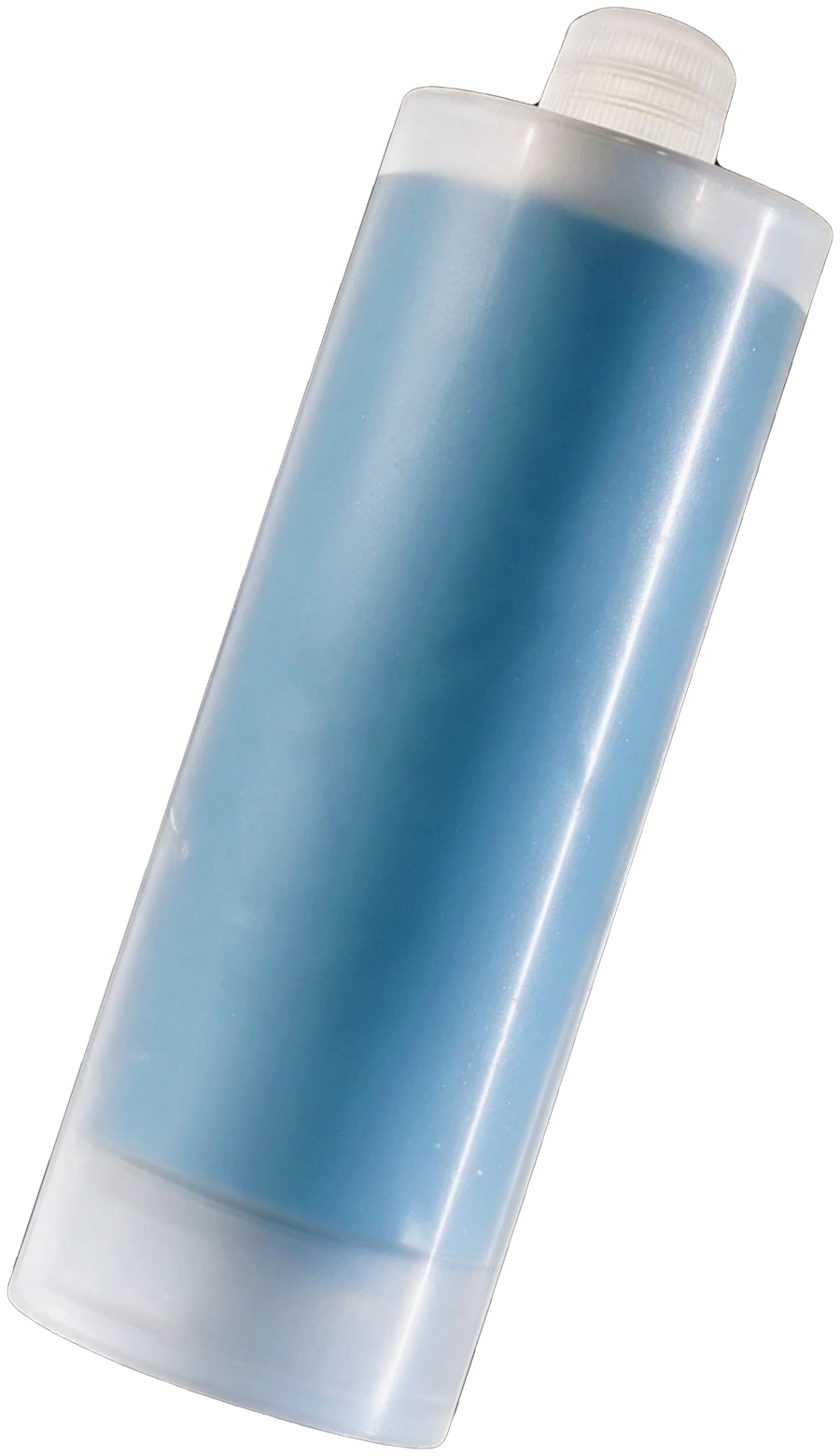
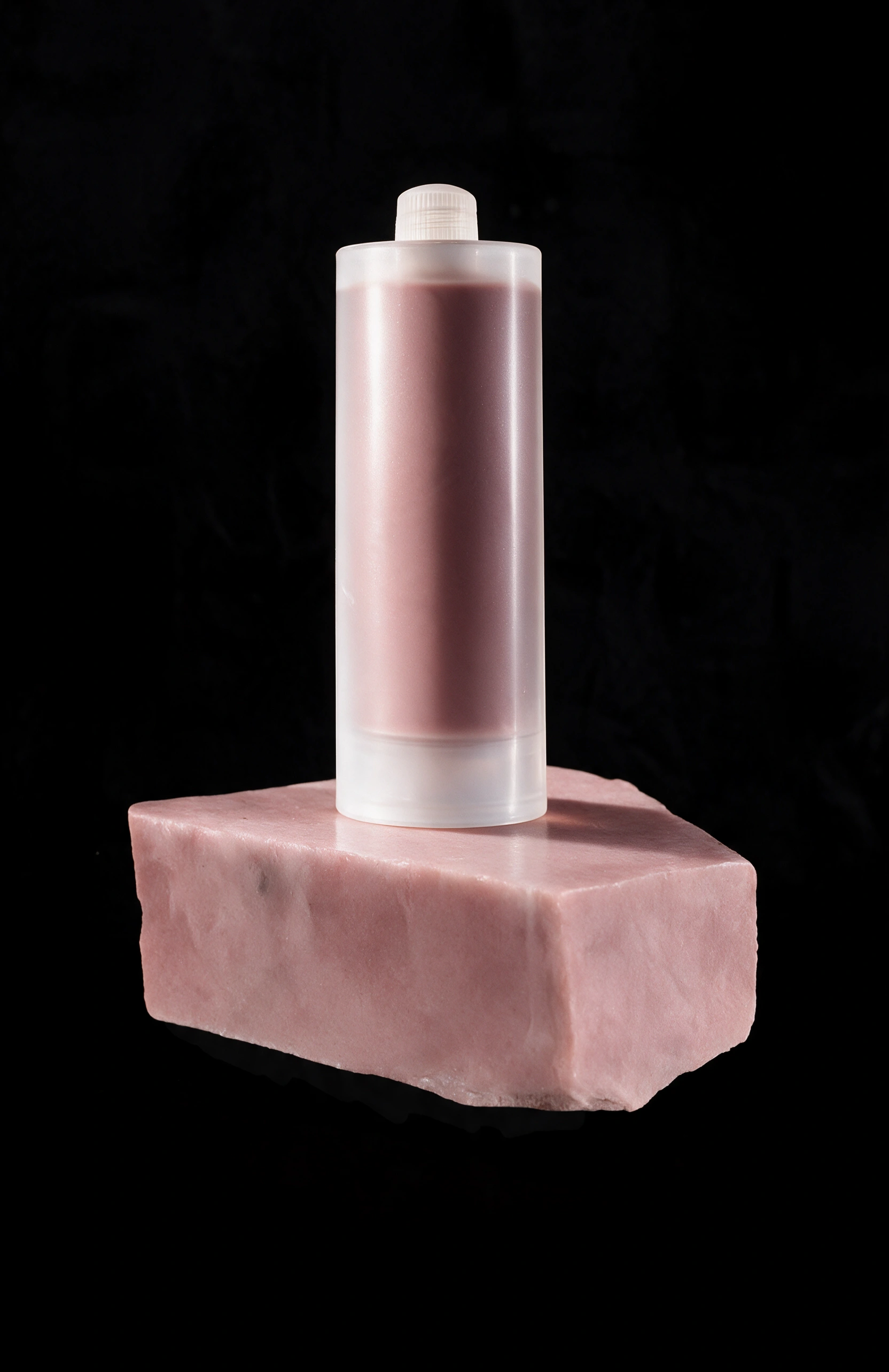
FugeMads 150ml transparent silicone cartridge showing custom colour formulation

Partner with FugeMads®

01

Share your material

Show us what you are working with — images, a physical sample, or just a conversation to get started.

02

Define the direction

A brief talk to map out your exact needs. We ensure a mutual fit, lock in the expectations, and the collaboration begins.

03

Approve the tone

See it first — or trust us. Your call.

04

Enter your portal

Your approved tones enters your private partner portal. Reorder in a few clicks, request new colours, track orders in real time, and chat with our team — all from one place. Your archive grows with every project.

FAQ

What sets FugeMads apart?

The industry treats silicone as an afterthought. We treat it as a design decision. We don't use standard color codes — we engineer precise chemistry directly from your physical materials, matching depth and optical weight to give the eye nothing to catch on. Your formula is then archived exclusively in your name.

How does tone development and exclusivity work?

You supply the physical reference — a tile chip, a stone sample, even a small offcut. We engineer the exact formulation. Once approved, the formula is locked in a private library under your name. No one else has access to it.

What format are the cartridges?

150ml clear cartridges — because we've all got half-dried tubes in a drawer somewhere. Compatible with standard manual guns. The clear cartridge ensures your tone shows true before you even apply it.

Which surfaces and applications is it suited for?

Stone, tile, paint, wood, glass, and metal. It is a premium neutral-cure, non-staining formulation — completely safe for porous natural stone and sensitive surfaces.

Who do you partner with?

Stone suppliers and fabricators. Tile and paint brands. Architects and design studios. Luxury developers.

We ensure the integrity of their design is never compromised by standard, mismatched sealants. The material remains the only focus.

What's the lead time?
  • First-time formulations: 10–14 business days. This is a one-time process — once your formula is developed and archived, it's done.

    Reorders: Ships promptly. Order directly from your partner portal. We produce from your archived masterbatch, no lab work required.
  • Volume & Brand Partners: For partners operating at scale, dedicated inventory and custom delivery timelines are built into your setup from day one.
  • Does the installer need special training?

    No. Apply and tool as normal — even with Stone Echo.

    What's the minimum order?

    None. Order one cartridge or one hundred.