The finishing problem no kitchen manufacturer talks about

A kitchen manufacturer controls almost everything. The cabinet dimensions. The front material. The lacquer finish, the handle selection, the hinge specification. Some control the worktop. Some control the lighting. The best ones control the entire experience from showroom to installation.

Almost everything.

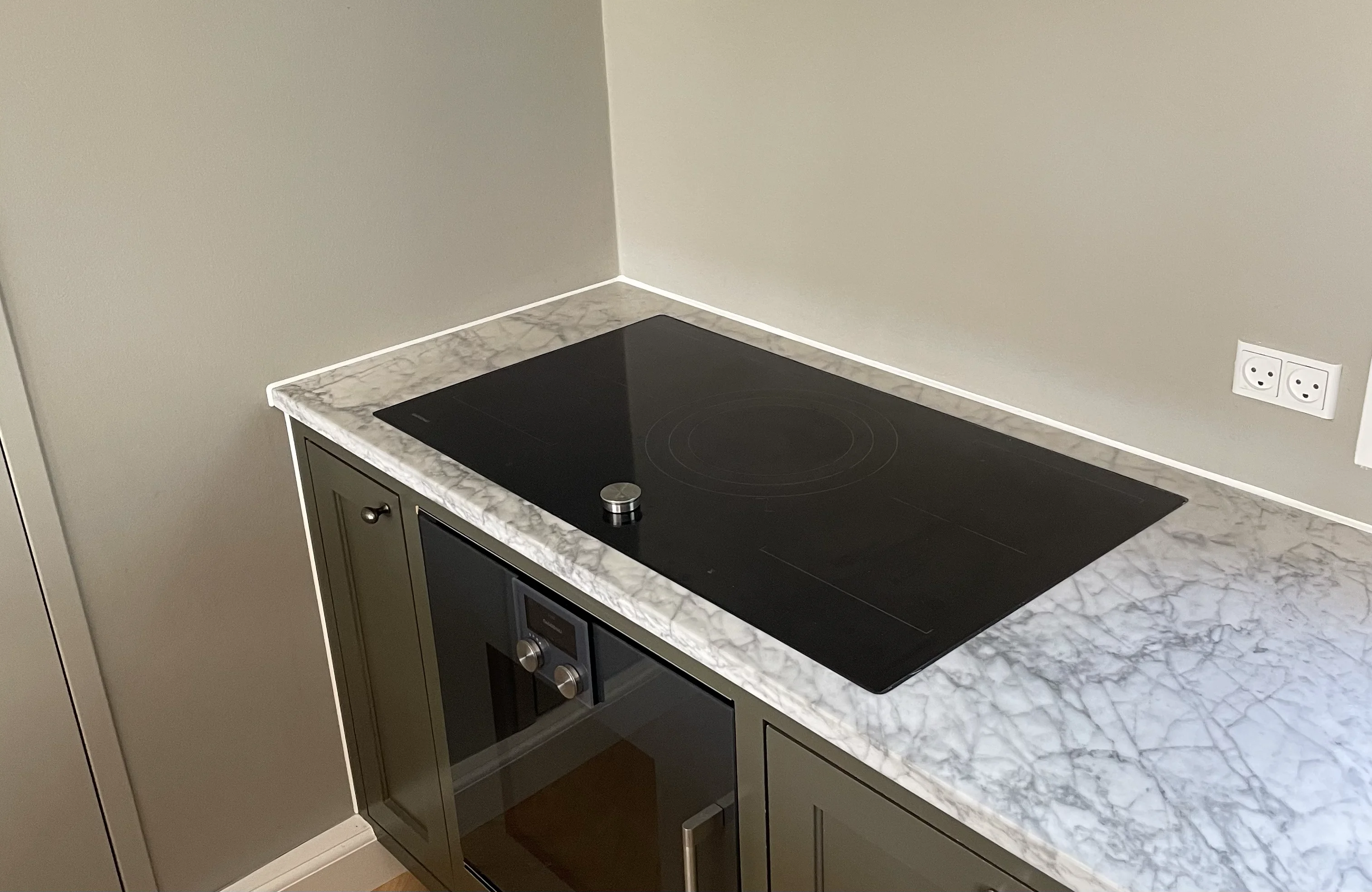
There is one material that arrives at every installation, sits between every surface, and is visible in every finished kitchen — and it is chosen by nobody in the supply chain.

The silicone.

Whose job is it?

It is a reasonable question, and nobody has a good answer. The kitchen manufacturer specifies fronts, hardware, and often the worktop. The architect may specify the floor and the wall finish. The contractor manages the build. The installer is the last person in the room.

But silicone — the material that visually connects the worktop to the wall, the fronts to the countertop, the plinth to the floor — does not appear in any specification. It is not selected in the showroom. It is not approved by the client. It is not even discussed.

The installer opens a tube. It is white, or it is grey. It is whatever was available. He applies it, tools it, and leaves. The kitchen is done.

Except it is not done. Because now there is a line running through a kitchen where every other detail was deliberate — and this one was accidental.

The problem with “close enough” on painted surfaces

Painted and lacquered kitchen fronts present a particular challenge. Unlike natural stone, which has visual complexity that can partially disguise a sealant mismatch, a solid-colour surface has nowhere to hide.

A lacquered front in a warm off-white. The silicone is a cool off-white. The difference is perhaps two percent. But on a three-metre run of kitchen, that two percent becomes a line that draws the eye from across the room.

Standard silicone catalogues offer perhaps thirty colours. Kitchen paint systems offer thousands. The probability of a perfect match from a standard catalogue is effectively zero.

And here is the subtlety that matters: the mismatch is not just about hue. It is about surface behaviour. A lacquered front has a specific sheen, a specific depth, a specific way it interacts with light at the edges. Silicone has none of these properties. Even when the colour is close, the material reads differently. The eye knows.

What the client sees

Clients do not know about silicone. They do not think about it. They selected their kitchen based on a showroom experience where every detail was curated.

When the kitchen is installed and a visible sealant line appears — one they never saw in the showroom — they notice. They may not be able to name what is wrong. But something feels off. The kitchen does not look quite like the one they chose.

This is not a failure of the product. It is a failure of the system. The kitchen manufacturer delivered everything they promised. The installer did his job correctly. But nobody was responsible for the visual transition between the surfaces.

The client’s disappointment lands on the manufacturer. Not the silicone.

What control looks like

Some kitchen manufacturers have started to rethink this. Instead of leaving silicone to the installer, they include it in the specification.

The approach is straightforward: formulate a silicone tone matched to the actual paint or lacquer used on the fronts. Not from a RAL code. Not from a catalogue swatch. From the physical material — the same paint system, the same sheen, the same batch behaviour.

That tone is then archived. It belongs to the manufacturer. It ships with the kitchen or is available on demand from a private portal. The installer no longer guesses. The client sees the kitchen they chose.

The cost is negligible relative to the value of the kitchen. The impact on perceived quality is disproportionately large. And the manufacturer gains something they never had before: control over the last visible detail in every installation.

The question for kitchen manufacturers

You control the fronts, the hardware, the worktop, the showroom, the delivery, the installation process. You have spent years building a brand around quality and attention to detail.

Who controls the silicone?

If the answer is “nobody,” that is the gap. And it is visible in every kitchen you ship.


Stop leaving the final transition to chance. Send us your signature lacquer samples or most used worktops, and we will formulate the exact matches for your private portal. Your colours, ready to specify and ship with every kitchen.

Close the gap in your supply chain
Designed
to disappear
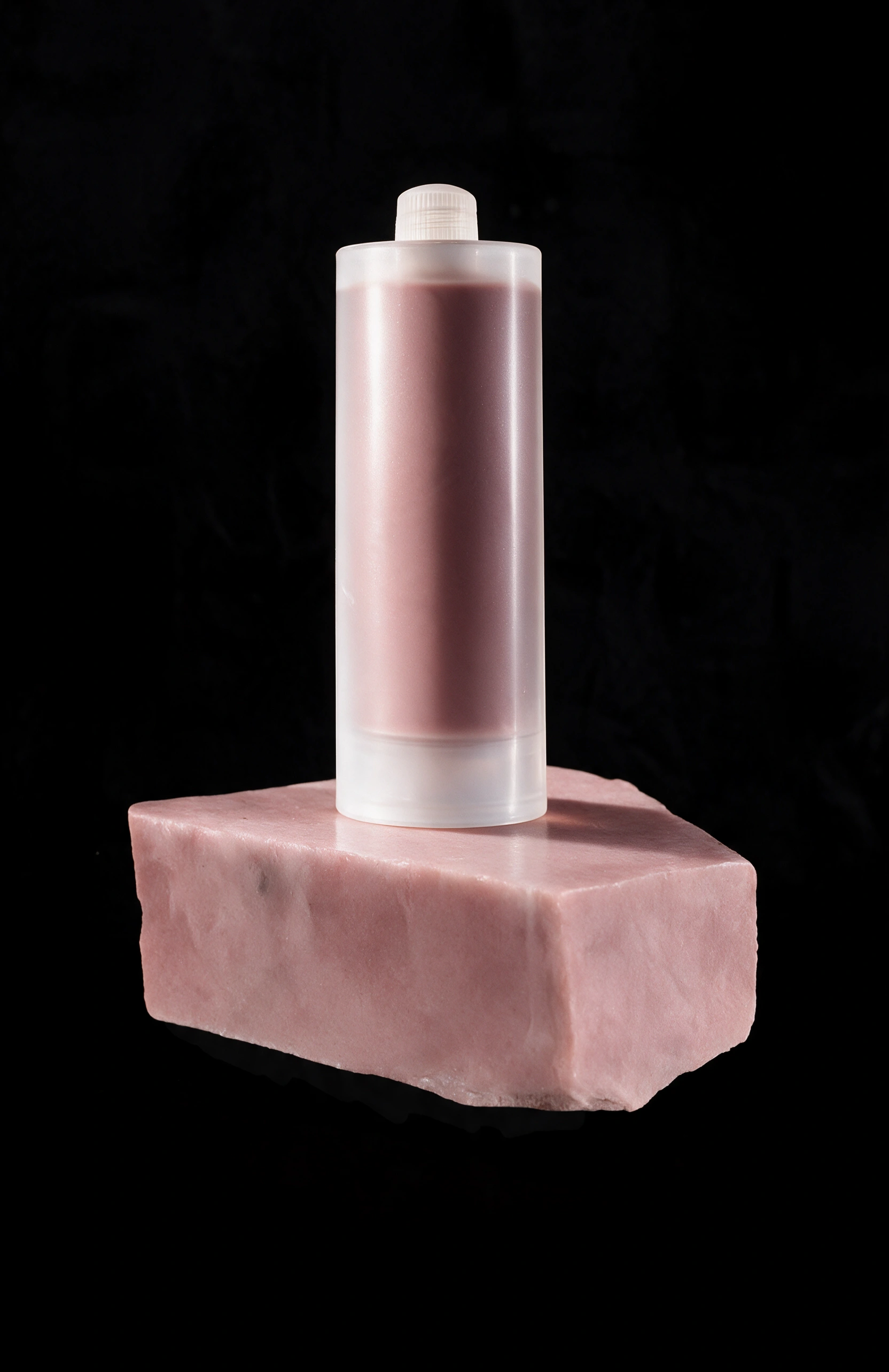
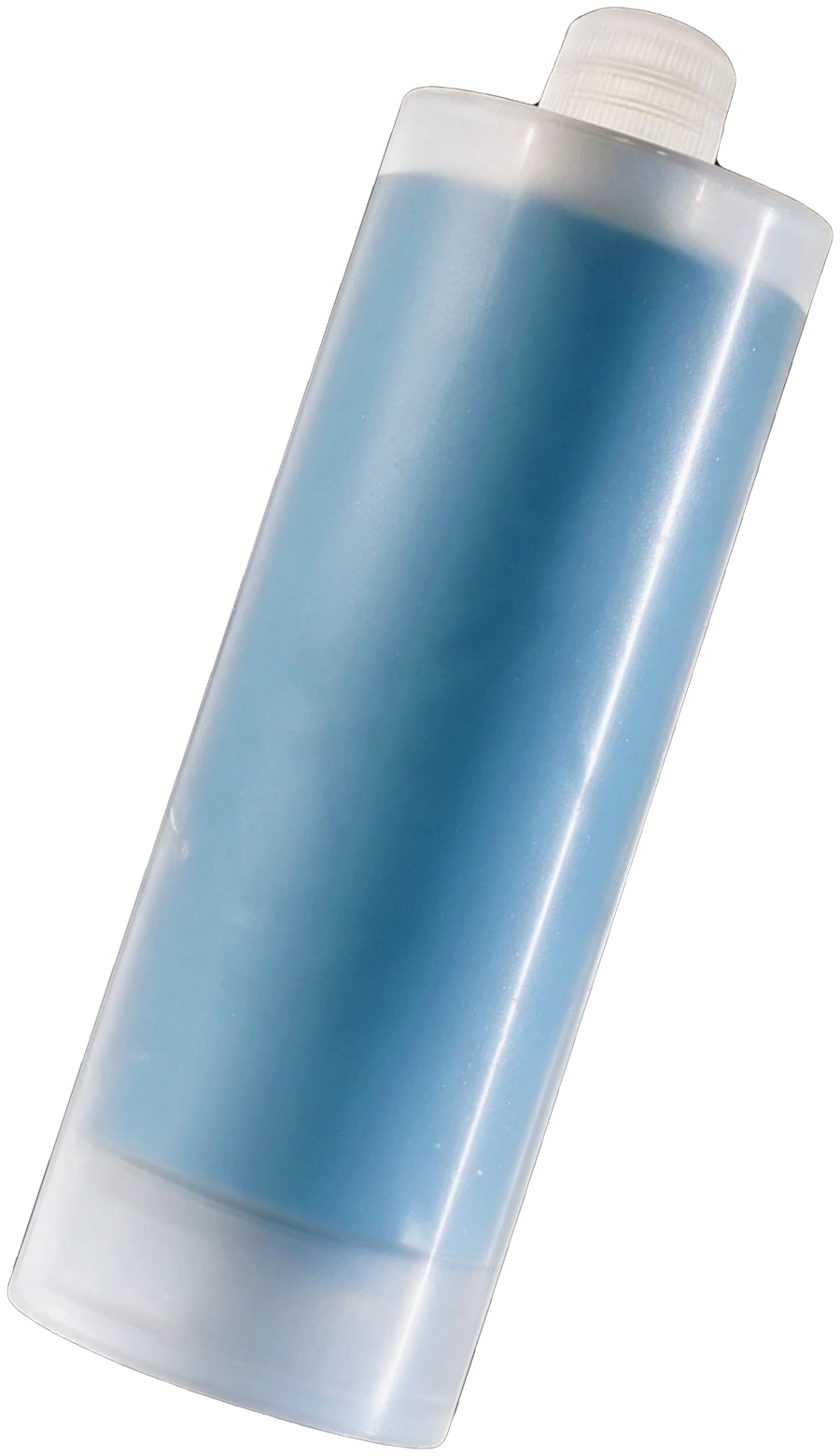
FugeMads 150ml transparent silicone cartridge showing custom colour formulation

Partner with FugeMads®

01

Share your material

Show us what you are working with — images, a physical sample, or just a conversation to get started.

02

Define the direction

A brief talk to map out your exact needs. We ensure a mutual fit, lock in the expectations, and the collaboration begins.

03

Approve the tone

See it first — or trust us. Your call.

04

Enter your portal

Your approved tones enters your private partner portal. Reorder in a few clicks, request new colours, track orders in real time, and chat with our team — all from one place. Your archive grows with every project.

FAQ

What sets FugeMads apart?

The industry treats silicone as an afterthought. We treat it as a design decision. We don't use standard color codes — we engineer precise chemistry directly from your physical materials, matching depth and optical weight to give the eye nothing to catch on. Your formula is then archived exclusively in your name.

How does tone development and exclusivity work?

You supply the physical reference — a tile chip, a stone sample, even a small offcut. We engineer the exact formulation. Once approved, the formula is locked in a private library under your name. No one else has access to it.

What format are the cartridges?

150ml clear cartridges — because we've all got half-dried tubes in a drawer somewhere. Compatible with standard manual guns. The clear cartridge ensures your tone shows true before you even apply it.

Which surfaces and applications is it suited for?

Stone, tile, paint, wood, glass, and metal. It is a premium neutral-cure, non-staining formulation — completely safe for porous natural stone and sensitive surfaces.

Who do you partner with?

Stone suppliers and fabricators. Tile and paint brands. Architects and design studios. Luxury developers.

We ensure the integrity of their design is never compromised by standard, mismatched sealants. The material remains the only focus.

What's the lead time?
  • First-time formulations: 10–14 business days. This is a one-time process — once your formula is developed and archived, it's done.

    Reorders: Ships promptly. Order directly from your partner portal. We produce from your archived masterbatch, no lab work required.
  • Volume & Brand Partners: For partners operating at scale, dedicated inventory and custom delivery timelines are built into your setup from day one.
  • Does the installer need special training?

    No. Apply and tool as normal — even with Stone Echo.

    What's the minimum order?

    None. Order one cartridge or one hundred.