How tile brands can control the last detail
Tile brands control the clay, the glaze, the format and the box it ships in. Then the installation is finished with a silicone they have never seen.

Grout gets attention. Some brands even develop their own grout colours. But there is another material in almost every tiled room — at the perimeter, around the fixtures, along every movement line — that the tile brand never touches.
Grout fills the field. Silicone frames it.
The edges are where the eye goes
The perimeter of a shower. The line where tile meets vanity. The movement line across a floor. These are the lines that frame the tile, and in a premium installation they are exactly where people look.
If the grout is right and the silicone isn’t, the frame is wrong. Nothing is missing, but something doesn’t belong — and for a brand that has built a specific colour story, that is a leak in the experience. The client bought the vision. The silicone came from a generic catalogue.
Two years developing a glaze. Finished with whatever the builders’ merchant had on the shelf that morning.
Why grout-coloured silicone isn’t the answer
Some sealant ranges offer colours made to follow popular grouts. It is a step in the right direction, but it assumes the silicone should follow the grout. Often it shouldn’t. With contrasting grout, minimal grout lines or large formats with almost no visible grout, the silicone has to answer to the tile.
A handmade zellige with an uneven glaze. A porcelain slab with a stone-effect surface. A ceramic in a signature colour. Each needs a silicone developed from the tile itself — its glaze, its colour in different light, its surface — not from a grout chart.
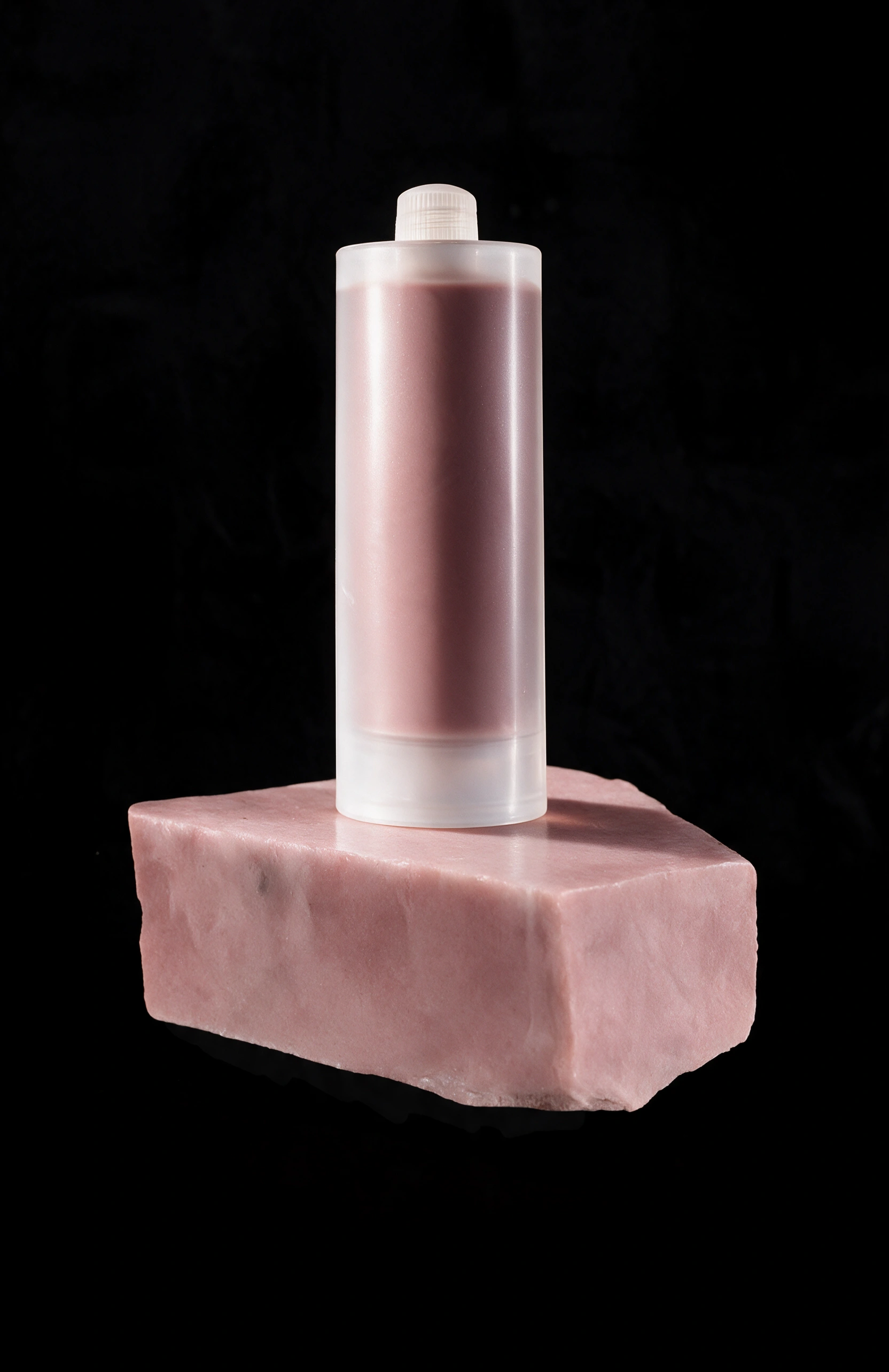
Silicone as part of the collection
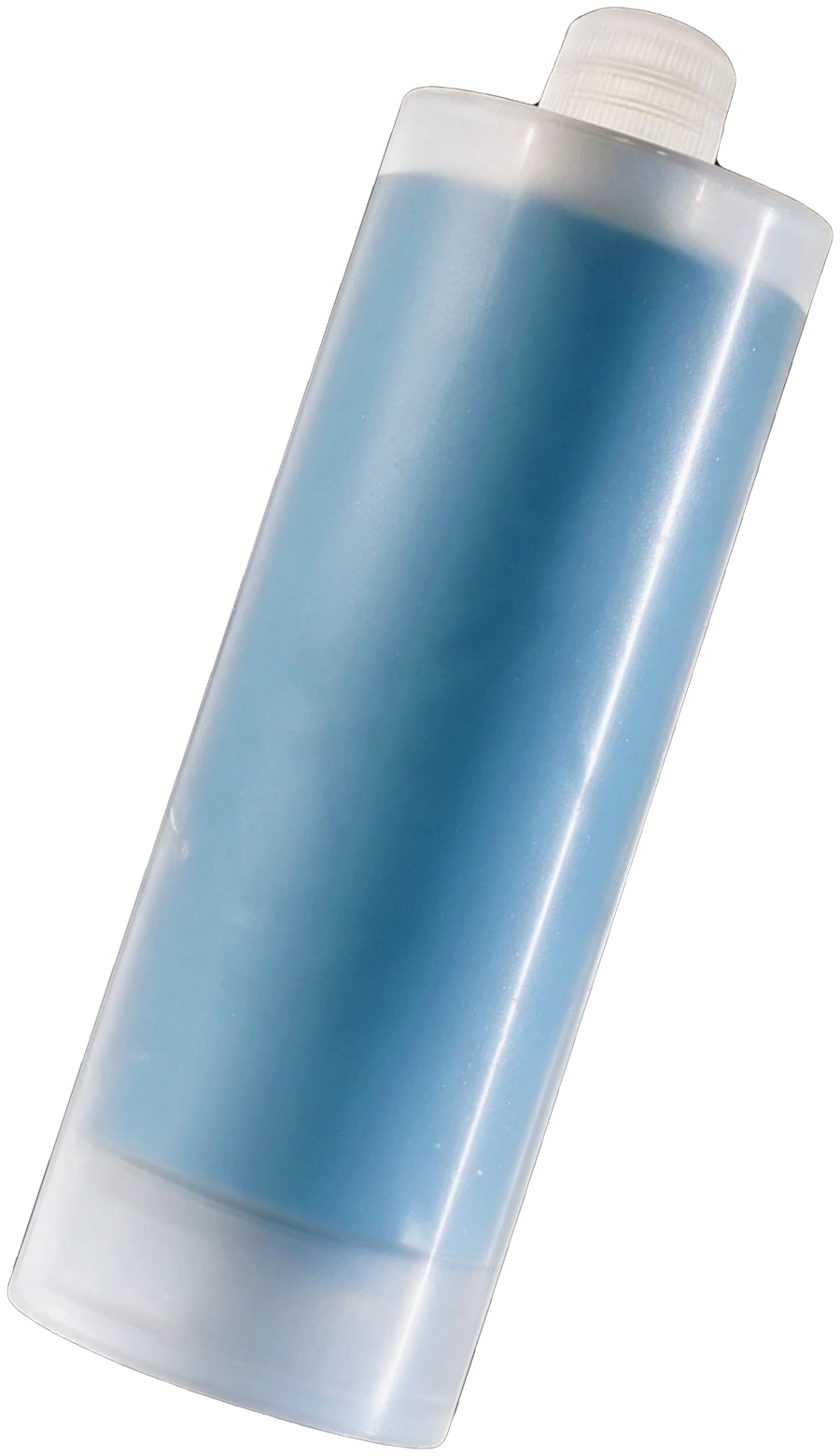
A handful of tile brands now offer silicone alongside their tiles. For each range or colour, a tone is developed from the physical tile and held in a private archive. It can sit in the collection as a recommended accessory, as an add-on at the point of sale or as part of a complete installation kit — and on high-end projects it goes straight into the specification.
The logic is simple. The brand already owns the relationship with the designer. Adding its own silicone protects the result at the point of installation, adds a consumable that is reordered project after project, and removes a complaint that today lands on the tile.
The question to ask
Tile brands compete on design, glaze and format. But what the client lives with is the installed room — and that depends on a material the brand doesn’t control yet.
So ask it plainly: what happens at the edges?